Hello Readers ....

What about your days? Fun is not it?
Hopefully it will be fun, especially if you read the blog I will be much more
fun hehehe. Yes, it will be fun because for this time I will tell and share.
For the theme this time I was still
telling a glimpse of the name. But here is different from the previous one, I
will tell you about the tradition of names that exist in one of the world's
countries. And I will share the name tradition in Japan.
JAPAN
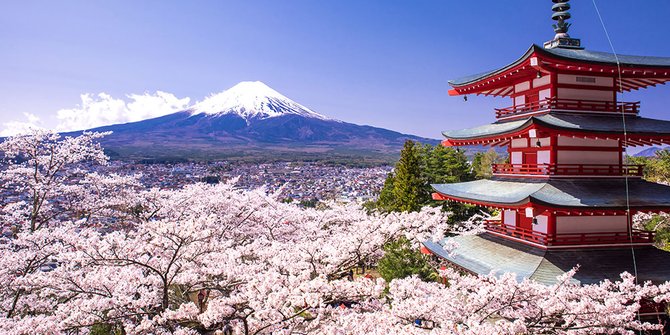
Who does not know Japan, a country
that is known for its technological progress and has a very unique culture.
Japan is also called the country of sakura, which is where cherry blossoms grow
in Japan when autumn arrives. Japan is also famous for its anime elements
including Naruto anime cartoons and many more. And besides that the Japanese
population is also very polite and friendly.
As for the other uniqueness that makes
me one of you is also interested in the name tradition in Japan. Japanese
people generally have names that are quite typical and easily recognizable and
may be easy to pronounce. As with western culture, names in Japan also use two
names namely nicknames and surnames. As is generally the case in other
countries, nicknames are only used for close friends and family environments.
While other than that, using a family name.
SAN,
CHAN, KUN AND SAMA
For
San itself is the most common word and is used or added in front of someone's
name.
Kun
and Chan are usually used by smaller people such as small children, social
associates or their families. Kun is generally used for boys while chan can be
used for both men and women. Chan is also commonly used for babies like
Aka-chan and pet animals, like Shiro-chan.
Sama
is the most respectful form of San. Usually used in official situations, such
as correspondence, announcements in shopping centers and situations related to
business or customers / buyers because they are considered as kings (O-sama).
Work environment
For certain professions or work
environments, or name groups usually change slightly, they do not use the word
San. Instead, the name of the position or profession is used, for example, for
the teacher is sensei and sachou for the director.
ミュウジシャン
|
myuujishan
|
musisi
|
郵便配達人
|
yuubinhaitatsunin
|
tukang pos
|
写真家
|
shashinka
|
fotografer
|
新聞記者
|
shinbunkisha
|
wartawan
|
れポター
|
repotaa
|
reporter
|
労働者
|
roudousha
|
buruh
|
裁判官
|
saibankan
|
hakim
|
モデル
|
moderu
|
model
|
教授
|
kyouju
|
profesor
|
漁師
|
ryoushi
|
nelayan
|
生徒
|
seito
|
pelajar
|
社長
|
shachou
|
direktur
|
消防士
|
shouboushi
|
pemadam kebakaran
|
商人
|
shounin
|
pedagang
|
企業家
|
kigyouka
|
pengusaha
|
建築家
|
kenchikuka
|
arsitek
|
銀行員
|
ginkouin
|
pegawai bank
|
社員
|
shain
|
pegawai kantoran
|
弁護士
|
bengoshi
|
pengacara
|
主婦
|
shufu
|
ibu rumah tangga
|
店員
|
ten'in
|
pegawai toko
|
男優
|
dan'yuu
|
aktor
|
女優
|
joyuu
|
aktris
|
用務員
|
youmuin
|
tukang
|
電気や
|
denkiya
|
tukang listrik
|
庭師
|
niwashi
|
tukang kebun
|
理髪師
|
rihatsushi
|
tukang cukur
|
兵隊
|
heitai
|
tentara
|
料理人
|
ryourinin
|
juru masak
|
著者
|
chosha
|
penulis
|
公務員
|
koumuin
|
pegawai negeri
|
牧師
|
bokushi
|
pendeta
|
デザイナー
|
dezainaa
|
desainer
|
大学生
|
daigakusei
|
mahasiswa
|
Family environment
In this Japanese family environment it
is indeed unique. Because the culture is the same as not knowing the word
respect for your family or yourself, so for strangers it might be confusing.
For example, when calling parents themselves, use otou-san calls for dad and
oka-san for mother. The word san is added behind as a form of respect for older
people. Whereas when we introduce or talk about our parents, Oka-san and
Otou-san cannot be used. Instead, Chichi (father) and Haha (mother).

First name
Most Japanese names consist of two
words or names, first name and surname. Middle names are generally less
popular.
For the last syllable ending in the
letter Ko like Atusko, Miyako, Mineko, Ayako, Kyoko, Keiko is generally a
woman. For ko itself means child. Another very popular syllable is the suffix
"i" or the word "Mi" like Mayumi, Minami, Sakurai is for
women. In the letter "Mi" which means beautiful or beautiful.
For men, it is a little difficult
because there are almost no rules or special characteristics that are used as
identification. There are some popular names for men, which is Ro, which means
boys or bright lights like Ichiro, Yasuhiro Kazuhiro etc.
That's the tradition of names in
Japan, very unique and interesting isn't it?
For the story this time it is quite
hopeful that those who read blogs can add to your insight about the elements of
traditional names in Japan. And hopefully this blog is useful for those of you
who read it.
Thankyou Everyone-
http://www.eonet.ne.jp/~limadaki/budaya/jepang/artikel/tambahan/nama.html
https://www.bahasajepangbersama.com/2014/05/kosakata-bahasa-jepang-nama-nama-dalam.html
